
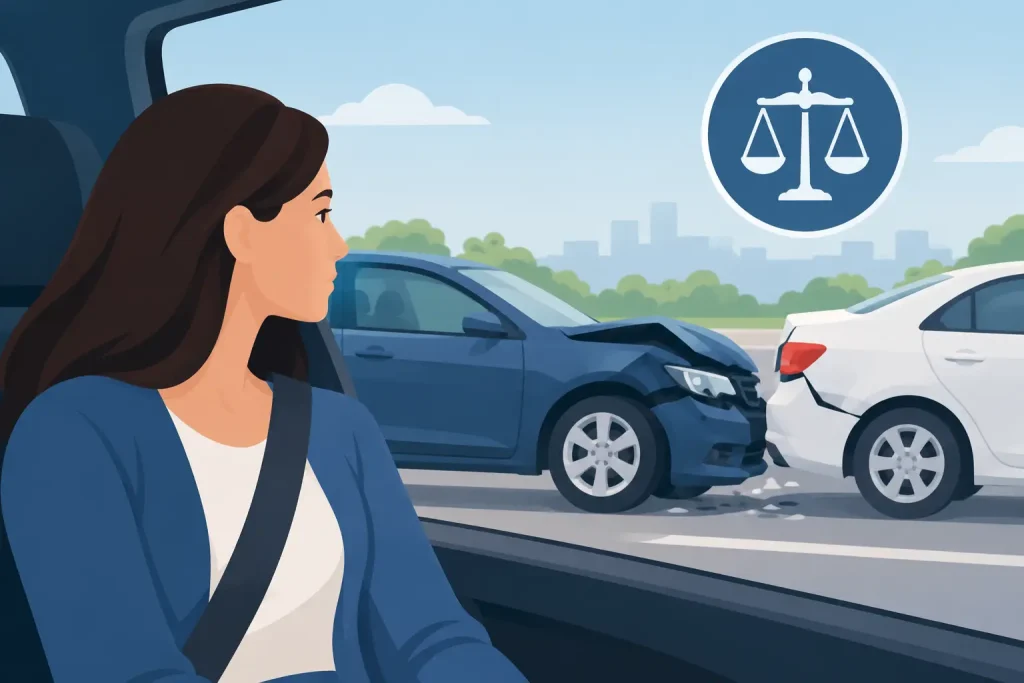
A passenger can be seriously hurt in a crash without ever touching the steering wheel. Yet insurers may still question the injury, point fingers between drivers, or offer a settlement before the full medical picture is clear. Can passengers recover damages for their losses? In many Arizona cases, yes. Passengers are often in a strong position because they were not driving, but recovering fair compensation still requires proof, timely action, and a clear understanding of every available insurance policy.
Can Passengers Recover Damages in Arizona?
Passengers injured by another person’s negligence can generally seek compensation from the at-fault party or parties. That may include the driver of the vehicle they were riding in, the driver of another car, a trucking company, a business, a property owner, or another party whose conduct helped cause the collision.
Being a passenger does not mean an injured person has to choose loyalty over recovery. If the driver was a friend, family member, coworker, or spouse, the claim is usually made against that driver’s insurance coverage, not against their personal assets. Auto insurance exists for precisely these situations. A claim can feel uncomfortable when someone close to you was behind the wheel, but medical bills, lost income, and lasting pain do not disappear because the driver is someone you care about.
The key question is not whether the passenger knows the driver. It is whether someone failed to use reasonable care and caused the injury.
Who May Be Responsible for a Passenger’s Injuries?
Many passenger injury claims involve two drivers. One driver may have been speeding, texting, running a red light, following too closely, driving impaired, or failing to yield. In other crashes, both drivers share some responsibility.
Arizona follows a comparative-fault system. That means responsibility can be divided among multiple people or entities. For an injured passenger, this can be helpful because there may be more than one source of recovery. The insurance companies may argue about who caused the wreck, but that dispute should not be allowed to delay needed medical care or pressure a passenger into accepting too little.
Some cases involve liability beyond the drivers themselves. For example, a commercial trucking company may be responsible for unsafe hiring, poor maintenance, or pressure placed on a driver to violate safety rules. A bar or restaurant may face liability in limited circumstances involving unlawful alcohol service. A vehicle manufacturer may be implicated when a defective part contributes to a crash. If dangerous road conditions played a role, a public entity could be involved, although claims against government bodies have special and much shorter deadlines.
There are also situations where a passenger’s own actions affect the case. Failing to wear a seat belt, knowingly riding with an intoxicated driver, or interfering with the driver may become issues. Those facts do not automatically eliminate a claim. They may affect how fault is evaluated, and they deserve a careful assessment rather than an insurer’s quick conclusion.
What Damages Can an Injured Passenger Seek?
A passenger injury claim should account for the full harm caused by the crash, not just the first emergency-room bill. A fair recovery may include medical expenses already incurred and the reasonable cost of future treatment, including surgery, physical therapy, specialist care, medication, and rehabilitation.
Lost wages are also recoverable when injuries keep someone from working. If the injury limits a person’s ability to return to the same job, work the same hours, or pursue future opportunities, diminished earning capacity may be part of the claim. This is especially important for people with physically demanding work, self-employed workers, and those whose income varies from month to month.
Arizona law also allows recovery for non-economic harm, such as physical pain, emotional distress, disfigurement, loss of enjoyment of life, and the disruption an injury brings to daily activities and family relationships. A broken bone may heal, but the consequences can continue through missed family events, trouble sleeping, anxiety in vehicles, or chronic pain that changes a person’s routine.
In the most tragic cases, surviving family members may have a wrongful death claim after a fatal crash. The available damages and eligible claimants depend on the family relationship and facts of the case.
Insurance Coverage May Come From Several Places
One of the biggest mistakes passengers make is assuming there is only one insurance policy available. A serious collision may involve coverage from the vehicle’s driver, the other driver, an employer, a commercial carrier, or the passenger’s own auto policy.
Uninsured and underinsured motorist coverage can be particularly valuable. If the at-fault driver has no insurance or only a small policy limit, a passenger’s own uninsured or underinsured motorist coverage may help fill the gap. Coverage may also be available through a household member’s policy, depending on the policy language and the circumstances.
Health insurance may pay medical bills while the injury claim is pending, but that does not mean the health insurer has the final word on the value of the case. Health insurers, medical providers, and government benefit programs may assert repayment rights from a settlement. These issues must be handled carefully so that a settlement actually supports the injured person’s recovery.
Insurance companies often move quickly after a crash. An early offer can be tempting when bills are arriving and work has been missed. But accepting a settlement usually means giving up the right to seek more money later, even if an MRI reveals a serious injury or symptoms worsen. It is wise to understand the diagnosis, treatment plan, available insurance, and long-term impact before signing a release.
Steps That Protect a Passenger Injury Claim
The strongest claims are built with evidence, not assumptions. Seek medical attention promptly and follow through with recommended care. Gaps in treatment give insurers an opening to argue that the injury was minor or unrelated, even when the person was simply trying to push through pain.
Preserve practical evidence early. Keep photographs of injuries, vehicle damage, medications, casts, and the crash scene if available. Save bills, receipts, work-loss records, and written communications from insurance companies. The police report can be useful, but it is not the only evidence. Witness accounts, traffic-camera footage, vehicle data, phone records, and medical documentation may all matter.
Be cautious when discussing the collision with insurers. You can report the basic facts and obtain claim information, but a recorded statement may be used to minimize the claim or create confusion about pain and limitations. Avoid guessing about fault, speed, or the extent of your injuries before all facts are known.
Arizona generally gives injured people two years from the date of an accident to file a personal injury lawsuit. That deadline can change in certain circumstances. Claims involving government entities may require a formal notice of claim within 180 days and a lawsuit within one year. Waiting too long can permanently bar recovery, which is why early legal guidance matters.
When the Passenger Was Riding With a Friend or Family Member
This is often the hardest emotional part of a passenger claim. People worry that seeking compensation will hurt a relationship or financially ruin someone they know. In most cases, the claim is directed to the insurance carrier, which collected premiums to provide protection after an accident.
The practical decision is not about blame within a family or friendship. It is about making sure the injured person has the resources needed for treatment, household expenses, and a stable recovery. If multiple drivers were involved, an investigation can determine whether others also share responsibility.
Mingus Mountain Law Group helps injured people across Northern Arizona identify liable parties, evaluate insurance coverage, and push back when insurers undervalue real harm. A passenger should not have to manage adjusters, paperwork, and legal deadlines while trying to heal.
After a crash, protect your health first, preserve what you can, and get clear answers before signing away your rights. The right action taken early can make the difference between an insurer’s quick payout and compensation that reflects what the injury has truly cost you.